
Understanding the Impact of Energy Efficient Windows on Energy Bills
In today's world, where energy costs continue to rise and environmental awareness grows, the importance of energy efficiency in our homes cannot be overstated. Energy-efficient windows play a crucial role in reducing energy consumption, which directly translates to lower monthly utility bills. For homeowners in Utah, where the climate can swing from hot summers to frigid winters, the choice of windows is not just a matter of aesthetics but also a significant factor in overall home energy performance.
Investing in energy-efficient windows can help you maintain a comfortable indoor temperature throughout the year, reducing the need for excessive heating in winter and cooling in summer. This not only enhances comfort but also lessens the burden on your HVAC systems, leading to potential savings on energy bills. Additionally, many energy-efficient window options are designed to minimize air leakage, further preventing the loss of precious heated or cooled air.
Energy-efficient windows are not merely an upgrade; they are an investment in long-term savings and environmental responsibility.
Moreover, the benefits of energy-efficient windows extend beyond immediate cost savings. By reducing energy consumption, homeowners contribute to a decrease in greenhouse gas emissions, promoting a healthier planet. In a state like Utah, with its stunning natural landscapes, this consideration adds an extra layer of significance to the decision-making process around window replacement.
Understanding the Impact of Energy Efficient Windows on Energy Costs
Energy-efficient windows are designed to minimize energy loss, which can significantly influence your overall energy bills. In Utah's climate, where temperatures can fluctuate drastically, investing in these windows offers both comfort and substantial cost savings.
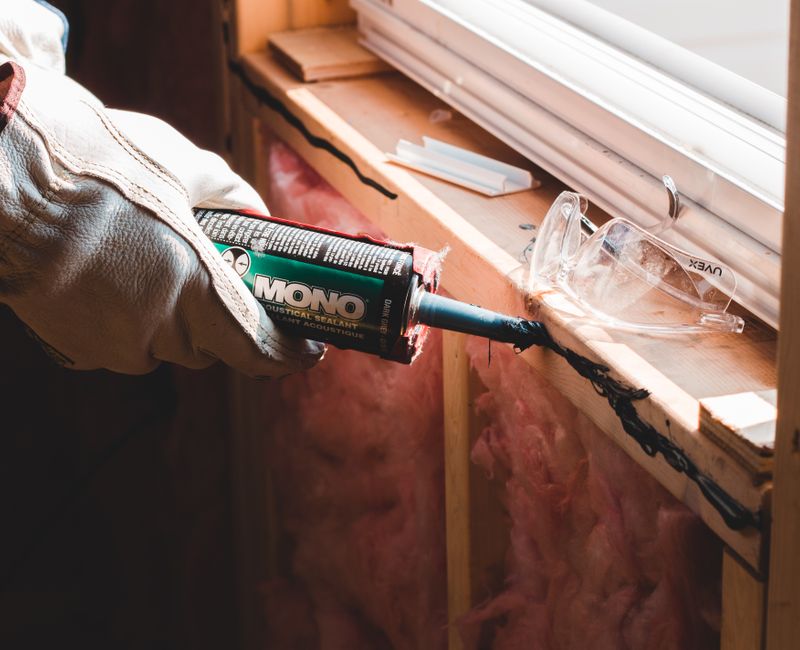
The primary components of energy-efficient windows include double or triple glazing, low-emissivity (Low-E) coatings, and insulated frames. These features work together to reduce heat transfer. For instance, during the cold winters, energy-efficient windows can keep warmth inside your home, reducing the demand on heating systems. Conversely, in the hot summers, they can block excessive heat from entering, lowering cooling costs.
Quantifying the Savings
Research indicates that homeowners can save between 10% to 25% on their energy bills by switching to energy-efficient windows. For Utah residents, where heating and cooling can account for a significant portion of utility expenses, this translates to substantial annual savings.
- Reduced heating costs in winter
- Lower cooling expenses in summer
- Increased home value
- Enhanced comfort and reduced drafts
Moreover, the initial investment in these windows can be recouped over time through reduced energy bills. With available tax credits and energy efficiency programs, the financial benefits become even more appealing.
Impact of Energy Efficient Windows on Utility Costs
Energy efficient windows are designed to minimize heat transfer, thus significantly impacting your energy bills, especially in a state like Utah with diverse climate conditions. During winter, these windows help retain heat within your home, reducing the reliance on heating systems. Similarly, in summer, they can reflect heat away, lowering the demand for air conditioning. This dual functionality can lead to substantial savings on monthly utility bills.
Quantifying Potential Savings
The savings from energy efficient windows can vary depending on factors such as the type of window, local energy costs, and the specific characteristics of your home. However, homeowners can expect to save anywhere from 10% to 30% on energy bills annually. For example, if your monthly energy bill is $200, you could save between $240 and $720 each year by upgrading to energy efficient windows.
Consider conducting an energy audit to assess the potential savings specific to your home before making a decision.
Long-Term Financial Benefits
Investing in energy efficient windows not only translates to immediate savings but also enhances your home's value. Prospective buyers often prioritize energy efficiency, making your property more attractive in the real estate market. Additionally, many energy-efficient windows come with warranties that can extend up to 25 years, providing peace of mind against future costs associated with window replacement.
Energy efficient windows are a smart investment, paying off in both immediate savings and long-term home value.
Common Misunderstandings About Energy Efficient Windows
When considering energy-efficient windows, many homeowners fall victim to misconceptions that can lead to poor decision-making. One prevalent misunderstanding is equating initial cost with long-term savings. While it’s true that energy-efficient windows often come with a higher upfront price tag, their potential to significantly reduce energy bills can lead to substantial savings over time. Ignoring this long-term perspective may discourage homeowners from investing in the right solutions for their properties.
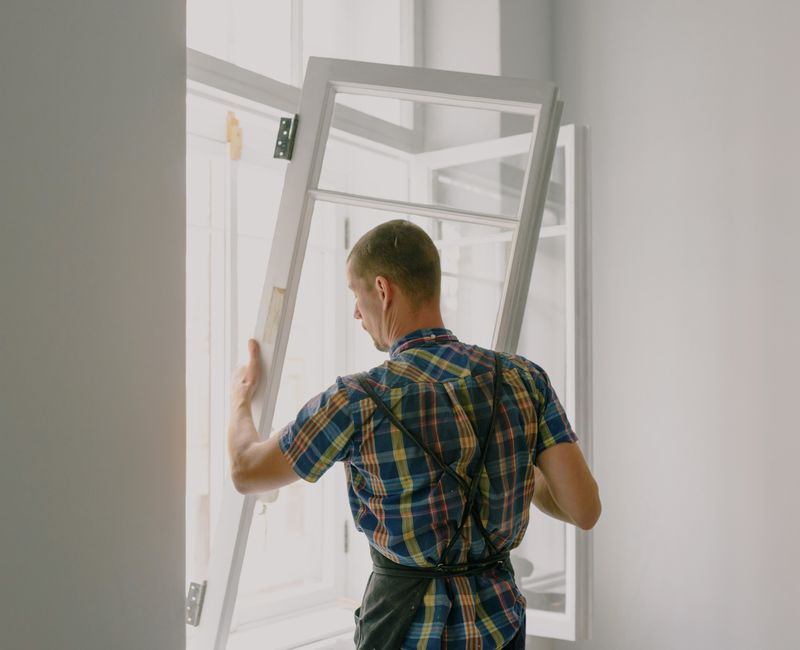
Another common pitfall is underestimating the importance of proper installation. Even the highest-quality energy-efficient windows can perform poorly if not installed correctly. Gaps, inadequate sealing, or poor alignment can negate the benefits of the windows themselves, leading to air leaks and higher energy costs. Therefore, choosing a reputable installer who understands the nuances of energy-efficient technology is crucial.
The Impact of Window Ratings
Homeowners often overlook the significance of window ratings such as U-factor and Solar Heat Gain Coefficient (SHGC). These ratings help determine how well a window insulates and resists heat transfer. Selecting windows with appropriate ratings for Utah's climate can profoundly affect energy efficiency. For instance, windows with low U-factors are better insulators, reducing heating costs during the cold winters.
Don’t make the mistake of choosing windows based solely on aesthetics. Always consider their energy performance ratings.
Finally, some homeowners mistakenly think that all energy-efficient windows are created equal. In reality, there are various technologies and materials available that cater to different climates and energy needs. Researching and consulting with professionals can help identify the best options tailored for your specific situation.
Real-World Impact of Energy Efficient Windows on Energy Costs
Case Study: Residential Savings
Take the example of the Johnson family in Salt Lake City. They decided to replace their old, single-pane windows with energy-efficient double-pane models with low-E coatings. After the installation, their energy bills dropped by 30% during the winter months, amounting to a savings of approximately $1,200 annually. This dramatic reduction not only improved their comfort but also allowed them to allocate funds towards other essentials.
Commercial Example: Office Building Efficiency
Similarly, a local office building in Provo underwent a renovation that included installing energy-efficient windows. The result was a 25% decrease in energy consumption, leading to annual savings of around $15,000 on heating and cooling costs. This made the building more attractive to tenants, significantly increasing occupancy rates.
Community-Wide Benefits
Beyond individual cases, a neighborhood initiative in Ogden to promote energy-efficient windows has seen collective energy savings of over $100,000 in just two years. As more homes adopt these technologies, the overall demand on local energy supplies decreases, contributing to a more stable energy market.
Investing in energy-efficient windows not only cuts costs but also enhances property value and community sustainability.— Energy Consultant
Consider local rebates and incentives for energy-efficient windows, which can further reduce the upfront costs.
Advanced Considerations for Energy-Efficient Windows
When contemplating energy-efficient windows, understanding the advanced technologies and features available is crucial for maximizing savings on energy bills, especially in a state like Utah where climate variability can significantly impact energy consumption. Two key features to consider are the window's U-factor and solar heat gain coefficient (SHGC).
Understanding U-Factor and SHGC
The U-factor measures the rate of heat transfer through the window. Lower U-factors indicate better insulating properties, helping to keep your home warm in the winter and cool in the summer. In contrast, the SHGC measures how much solar radiation is admitted through the window. Depending on your local climate, a lower SHGC is beneficial in reducing cooling costs during hot summers, while a higher SHGC may be advantageous in colder months for passive solar heating.
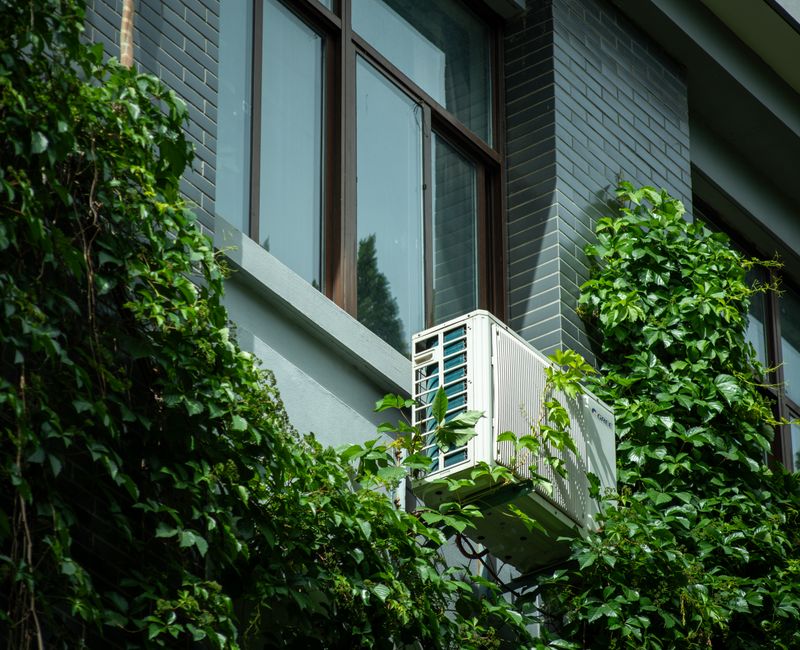
Another advanced consideration is the type of glazing used in your windows. Double or triple glazing with inert gas fills (like argon) can dramatically enhance thermal performance. Additionally, low-emissivity (Low-E) coatings can reflect heat back into the home during winter while keeping unwanted heat out during summer.
Additional Factors Influencing Energy Bills
It’s also essential to factor in installation quality, as improper installation can significantly negate the benefits of energy-efficient windows. Engaging with certified professionals can ensure that windows are sealed correctly, minimizing drafts and heat loss. Homeowners should consider the long-term impact of energy-efficient windows on overall energy bills, as the initial investment can lead to substantial savings over time.
Investing in energy-efficient windows is not just about upfront costs; it’s about long-term savings on energy bills.— Energy Efficiency Expert
Maximize Savings with Energy Efficient Windows
Choosing energy-efficient windows is not just a smart investment; it's a transformative decision that can significantly impact your monthly energy bills. By enhancing insulation and reducing heat loss during Utah's harsh winters and minimizing heat gain during the scorching summers, these windows allow you to maintain a comfortable indoor environment without over-relying on heating or cooling systems.
In fact, studies indicate that homeowners can save anywhere from 10% to 25% on their energy expenses simply by upgrading to high-performance windows. This translates into substantial savings over time, allowing you to allocate your budget toward other important areas of your life. Moreover, energy-efficient windows often qualify for various rebates and tax incentives, further maximizing your financial benefits.
Beyond immediate savings, investing in energy-efficient windows can enhance your home's resale value. Prospective buyers are increasingly aware of energy costs and prefer homes that promise reduced utility expenses. By making this upgrade, you are not only improving your living conditions but also making a wise financial decision for the future.