
Deciding Between Renovations and New Homes
When it comes to your living space, the question of whether to renovate or purchase a new home often arises. This decision can significantly impact your lifestyle, finances, and overall satisfaction with your living environment. As you weigh your options, consider the unique needs of your household, the current state of your home, and the local real estate market.
The Importance of Making Informed Choices
Understanding the implications of each choice is crucial. Renovating can enhance your existing space, potentially increasing its value and making it more functional. Conversely, buying a new home might provide modern amenities and a fresh start but can come with hidden costs and emotional challenges. With energy-efficient upgrades, like windows and doors, your renovation can also lead to significant long-term savings on utility bills, making it an attractive option.
Home is not just a place; it's an investment in your future.— Real Estate Expert
Evaluating the Decision: Renovation vs. New Purchase
When considering whether to renovate your home or purchase a new one, it's crucial to understand the foundational aspects of each option. Renovations can enhance your current living space while potentially increasing the home’s value. Conversely, buying a new home may provide modern amenities and energy efficiency that older homes lack.
Assessing Your Current Home
Before making a decision, evaluate your current home’s structure, location, and overall condition. Consider the following questions: - Is your home in a desirable neighborhood? - Are there significant structural issues that need addressing? - Is the layout functional for your family's needs?
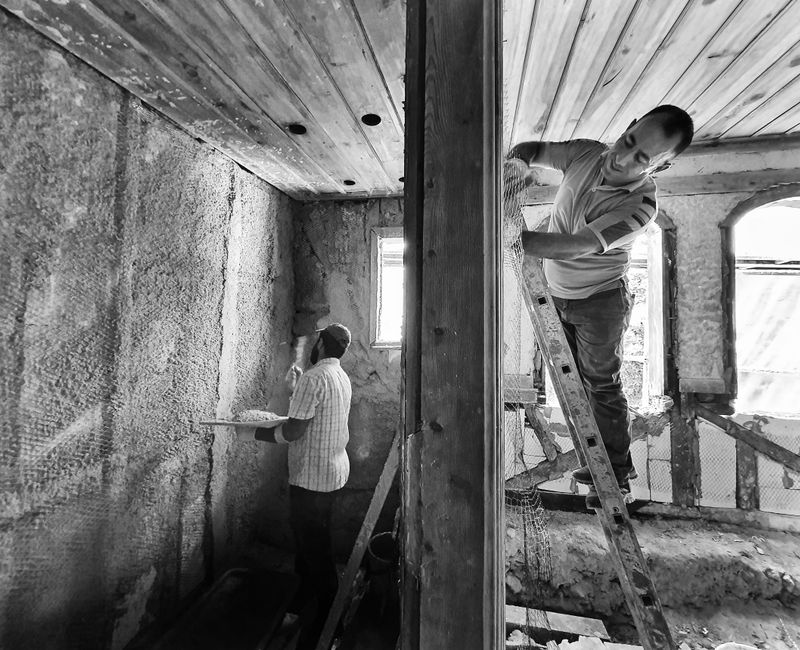
If your home offers a good location and solid structure, renovations could be a wise investment. Upgrading windows and doors, for instance, can significantly enhance energy efficiency, reduce utility bills, and improve aesthetics.
Benefits of Renovations
- Customization to your specific needs and preferences
- Preservation of emotional and historical value
- Potentially lower costs compared to buying a new home
In contrast, if your home has substantial flaws or is in a declining area, purchasing a new property may be more beneficial. A new home often comes with updated features and less immediate maintenance, providing peace of mind.
Evaluating Renovations Versus New Purchases
When considering whether to renovate your current home or invest in a new property, it’s essential to weigh the practical implications of each choice. Renovating your home can be a cost-effective strategy, particularly if you’re satisfied with your location and the overall layout of your existing space.
Benefits of Renovations
- Tailored improvements that suit your preferences
- Avoid the costs associated with moving, such as closing costs and real estate fees
- Increase the value of your home through energy-efficient upgrades, like windows and doors
Advantages of Buying New
- Access to modern amenities and layouts that may not be feasible to replicate in your current home
- Potentially lower maintenance costs in the first few years
- Opportunity to find a property in a desired neighborhood or a better school district
Ultimately, the decision hinges on your financial situation, your long-term plans, and the current real estate market. For instance, if your current home has significant structural issues, investing in renovations may not be worthwhile. Conversely, if your family is growing and your needs have evolved, a new home may provide the space and amenities you require.
Understanding your needs and budget is crucial in making the right choice between renovating and buying anew.
Common Missteps in Home Renovations
When considering home renovations, many homeowners fall prey to a few common pitfalls that can lead to frustration and unexpected costs. Awareness of these mistakes can help you navigate the process more effectively.
Underestimating Costs
One of the most significant errors is underestimating the total cost of renovations. Homeowners often focus solely on materials and labor, neglecting to account for permits, inspections, and potential structural repairs. It's prudent to budget an additional 10-20% for unforeseen expenses.
Always consult with professionals to get accurate estimates before starting your renovation.
Ignoring Energy Efficiency
Another common oversight is failing to prioritize energy efficiency in renovations. Upgrading windows and doors to energy-efficient models not only enhances the comfort of your home but also significantly reduces long-term utility costs.

Choosing Aesthetic Over Functionality
Homeowners may sometimes prioritize style over practicality, resulting in renovations that look good but don't serve their intended purpose. Balancing aesthetic choices with functional needs is crucial for long-lasting satisfaction.
- Neglecting permits and legal requirements
- Not researching contractors thoroughly
- Failing to plan for disruption during renovations
By keeping these considerations in mind, you can avoid common missteps and ensure a smoother renovation process that meets your goals.
Making the Right Choice for Your Home
Deciding whether to renovate your current home or invest in a new one is a significant choice that can have lasting implications on your lifestyle and financial health. By choosing energy-efficient windows and doors as a part of your renovation, you can dramatically enhance your home's value while enjoying immediate benefits in comfort and utility savings. Renovations often allow you to maintain the familiarity of your neighborhood while updating your living space to better meet your needs.
Renovation can be a wise investment in your future.
Ultimately, the decision to renovate or relocate comes down to your personal circumstances, financial goals, and emotional ties to your existing home. If you choose to renovate, ensuring that you select high-quality, energy-efficient solutions will maximize your return on investment and contribute to a sustainable future.